
Growing Basil and Parsley Indoors
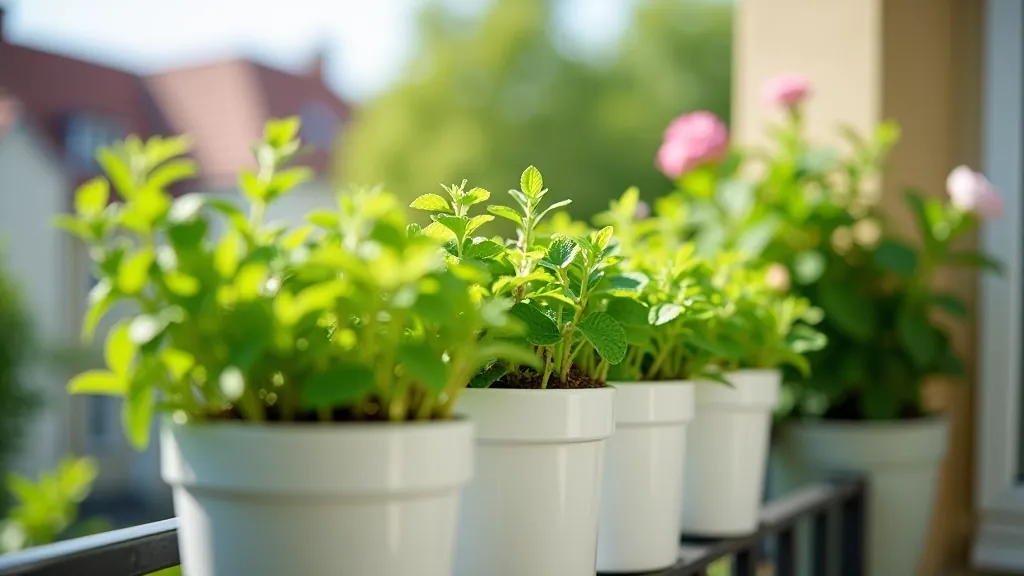
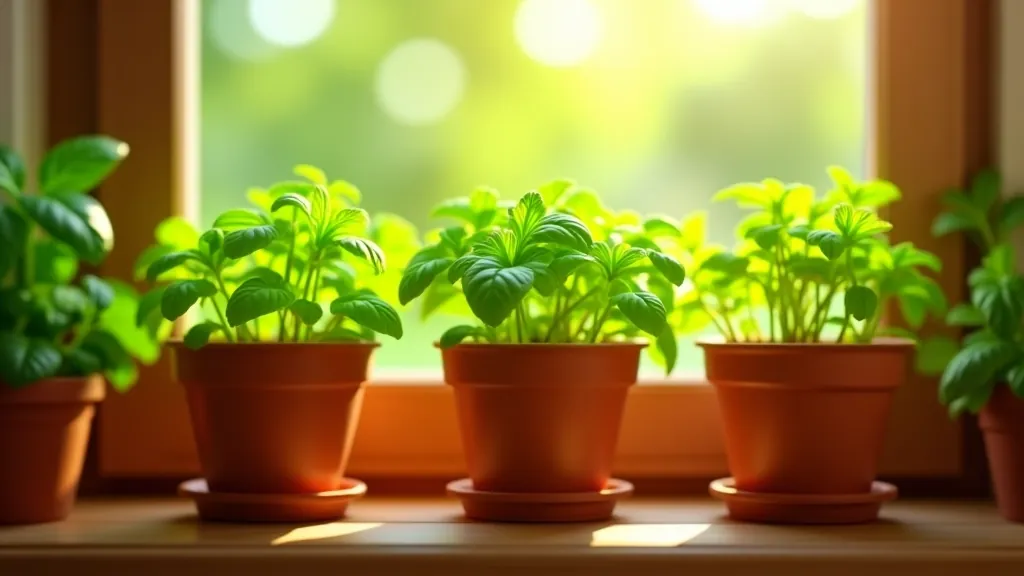
Simple method for growing two most popular herbs year-round on your balcony. We cover light requirements, watering schedules, and harvesting techniques that keep plants productive.
Keeping your herbs and plants alive through harsh Baltic winters requires planning. Learn proven techniques for insulation, timing for moving plants indoors, and which species actually survive outdoor winters here.
Vilnius winters aren't forgiving. Temperatures drop to -10°C, frost comes early, and plants that thrived all summer suddenly face weeks of freezing conditions. But here's the thing — you don't have to lose everything when the snow arrives.
We're going to walk you through exactly what happens to your plants in winter, which species can handle it, and what steps to take starting now. Most gardeners wait until December, but the real protection work starts in September. That's when you begin hardening off plants, checking for pests before they come indoors, and deciding what stays outside versus what moves.
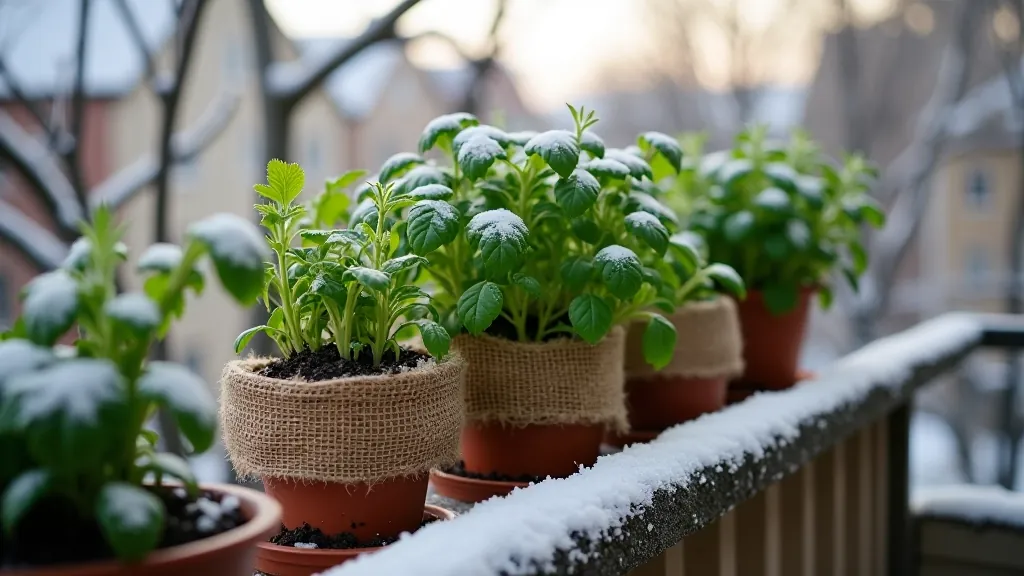
Your balcony isn't the same as an open garden. Wind exposure matters enormously. A balcony on the north side stays colder and wetter. A south-facing one catches afternoon sun, which can actually help plants survive. East-facing balconies get morning sun but avoid the harsh afternoon heat in summer — winter protection is moderate.
Soil temperature drops faster in containers than in ground. A 5-liter pot of basil will freeze solid in about two weeks of consistent -5°C weather. The roots can't survive that. This is why pot size matters and why moving tender herbs indoors isn't optional — it's essential.
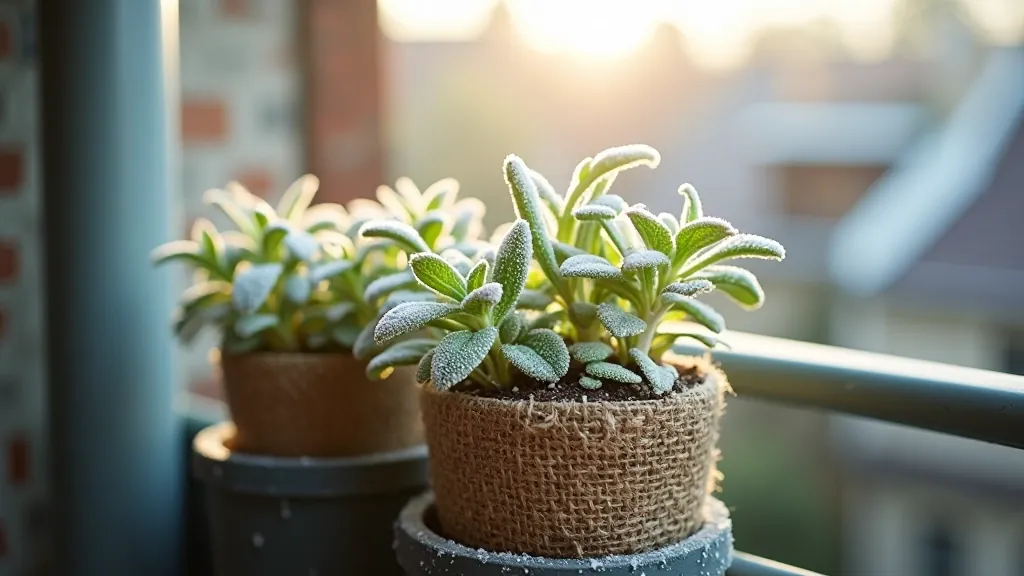
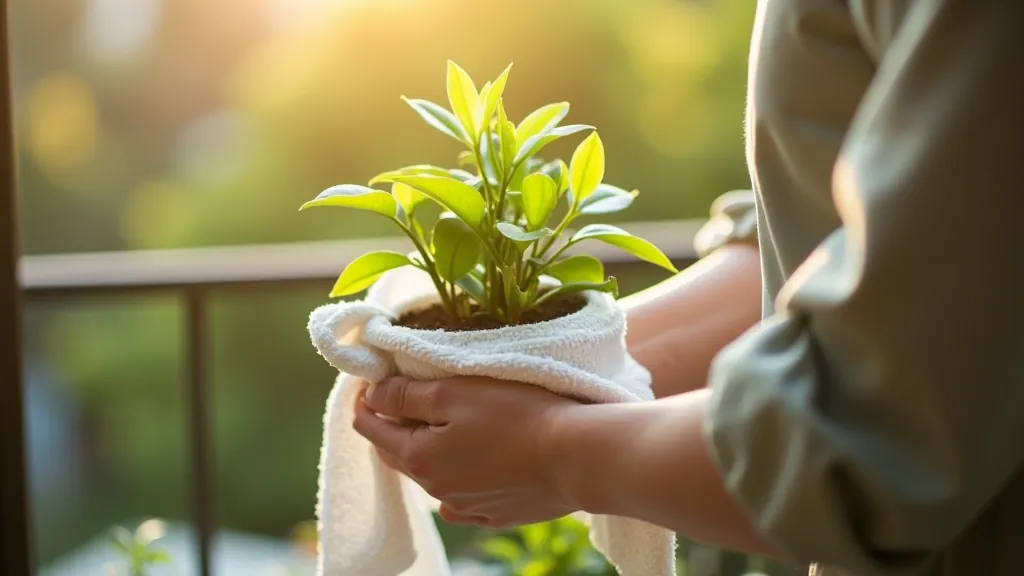
Starting in September, you need to prepare plants for the cold. This doesn't mean exposing them to freezing temperatures immediately. It means gradually reducing watering, stopping fertilizer completely, and allowing plants to enter a slower growth phase naturally.
Check every plant for pests before October arrives. Mealy bugs, spider mites, and scale insects love warm indoor conditions. You don't want to bring infestations inside. A simple spray with neem oil in late August catches most problems. Inspect the undersides of leaves and around stems carefully.
Frost cloth is your friend. Unlike plastic, it allows air and moisture circulation. Wrap it around pots loosely — don't seal it completely. You want protection from harsh wind and extreme cold, not a suffocating barrier. Leave drainage holes accessible so water doesn't accumulate and freeze.
Bubble wrap works well for extra insulation on the pots themselves. Wrap the outside of containers with one or two layers. This keeps soil temperature 3-5°C warmer than exposed pots. For balcony railings and exposed edges, create windbreaks using wooden frames covered with frost cloth. Even reducing wind speed by 50% dramatically improves survival rates.
Frost cloth + bubble wrap
Frost cloth alone
Plastic sheeting
No protection
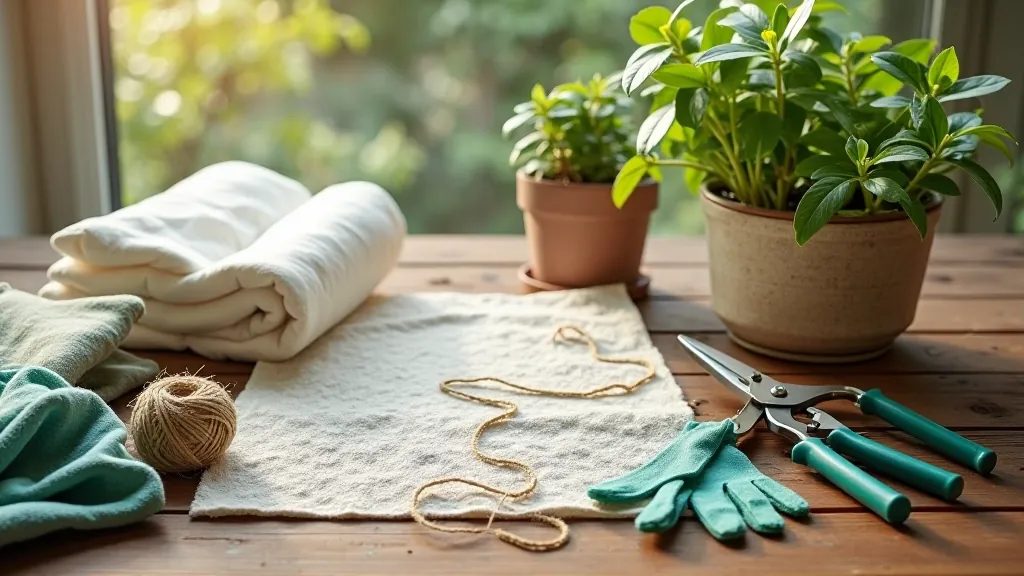
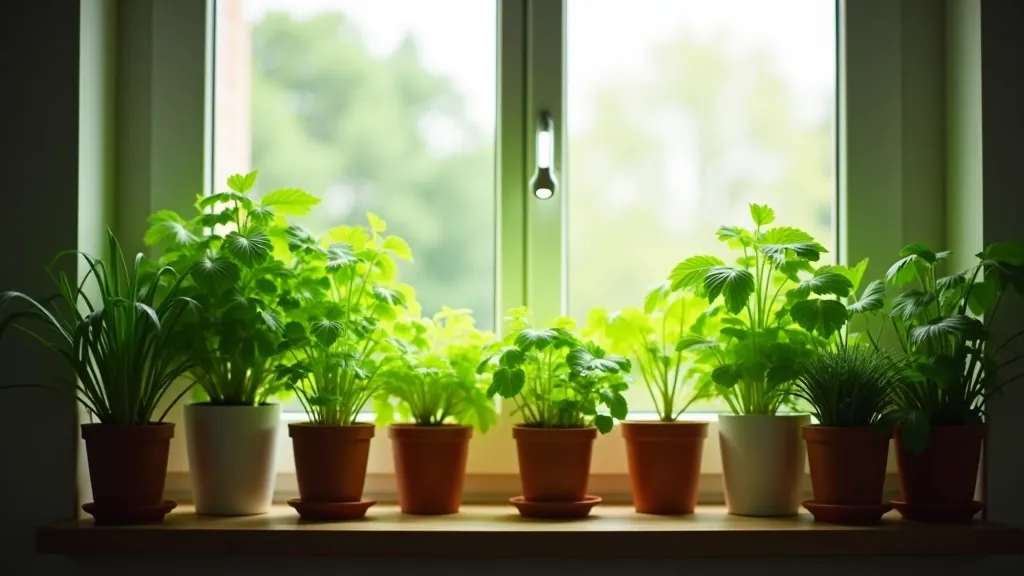
Indoor conditions are drastically different from outdoor life. Light is lower. Humidity is much lower because heating systems dry the air. Temperature is stable, which plants find weird after experiencing natural day-night cycles. Don't just bring plants in and expect them to thrive immediately.
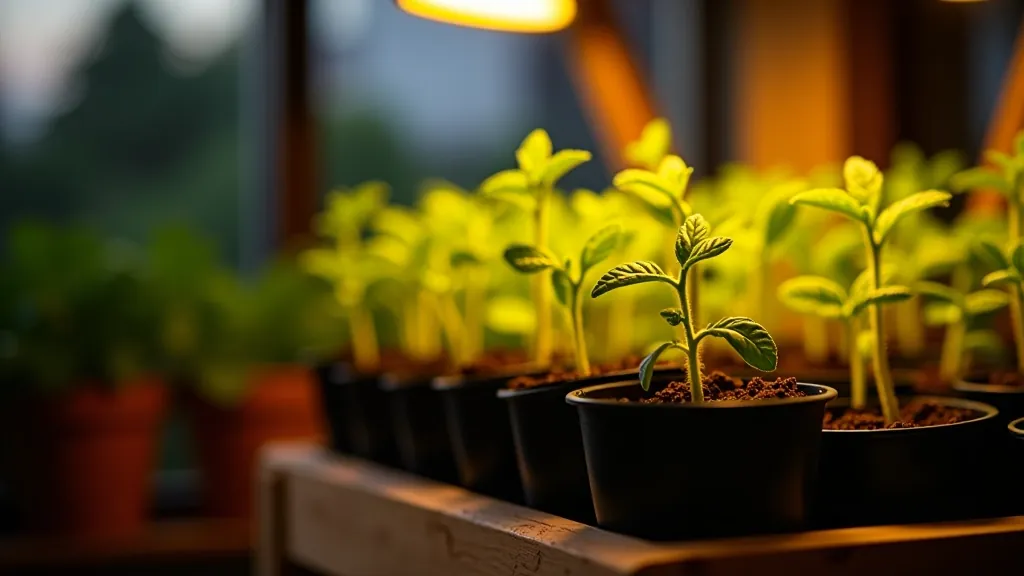
Place plants in the brightest window available. South-facing windows in Vilnius don't provide enough light in winter — consider a grow light. A basic LED grow light (20-40 watts) positioned 15-20cm above plants makes an enormous difference. Run it 12-14 hours daily. Without supplemental light, basil becomes leggy and weak. It'll survive, but won't produce well.
Water less frequently indoors. Soil dries slower because of lower light and humidity. Check soil moisture before watering — it should be slightly moist, not wet. Overwatering is the #1 killer of indoor winter plants. Every 3-4 days is typical, but check your specific conditions.
Winter doesn't have to mean the end of fresh herbs. Start preparing now — even if it's still warm outside. Check what you're growing. Tender annuals like basil definitely come indoors. Hardy perennials like thyme might stay outside with protection. Some gardeners experiment and learn what works on their specific balcony.
The gardeners who succeed through Vilnius winters aren't the ones with perfect conditions. They're the ones who plan ahead, accept that some plants won't make it, and focus on what's possible. You'll have fresh herbs all winter if you start now.
Check out our other growing guides to understand your plants better before winter arrives.
Explore All GuidesThis article is for educational purposes. Plant survival depends on many variables including exact location, microclimate, plant variety, and individual care practices. Climate data for Vilnius is based on historical averages — actual winters vary. We recommend consulting local gardening experts or your municipal horticultural services for location-specific advice. Results vary based on your specific balcony conditions, pot sizes, and plant species.