
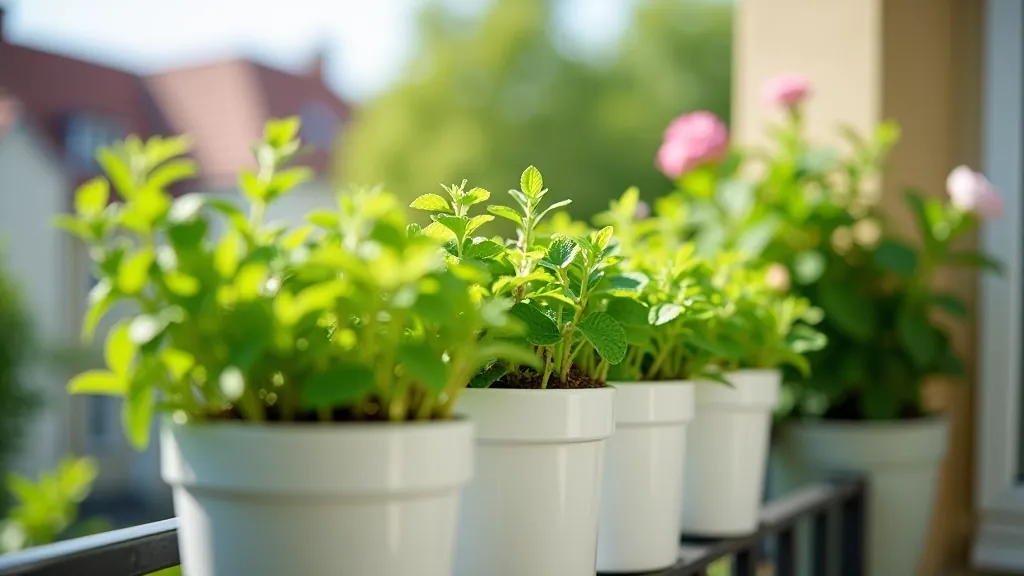
Mint and Oregano for Baltic Climates
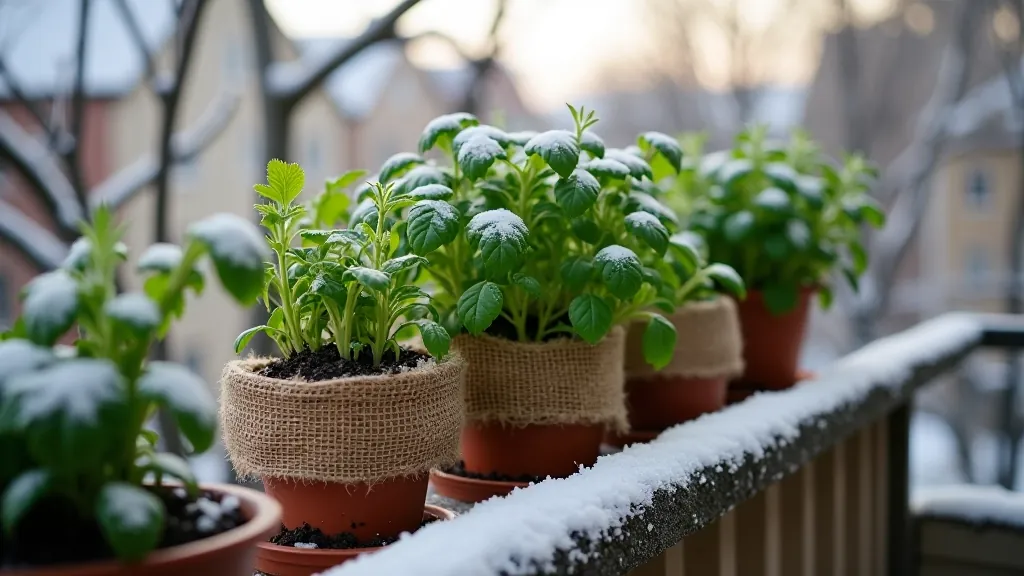
Hardy herbs that thrive in Vilnius weather. Includes specific planting dates and winter protection strategies.
Read MoreSimple method for growing two most popular herbs year-round on your balcony. We cover soil preparation, watering schedules, and harvesting tips to keep your basil and parsley thriving through all seasons.
There's something special about having fresh herbs right outside your kitchen door. Basil and parsley aren't just delicious—they're incredibly forgiving plants that'll reward you with endless harvests. You'll save money compared to buying bunches at the market, and you'll know exactly what's gone into growing them.
The best part? You don't need a garden. A sunny balcony in Vilnius is all you need. Both herbs thrive in containers and actually prefer the controlled environment of your space. We've helped dozens of people go from "I can't grow anything" to harvesting fresh herbs every week.
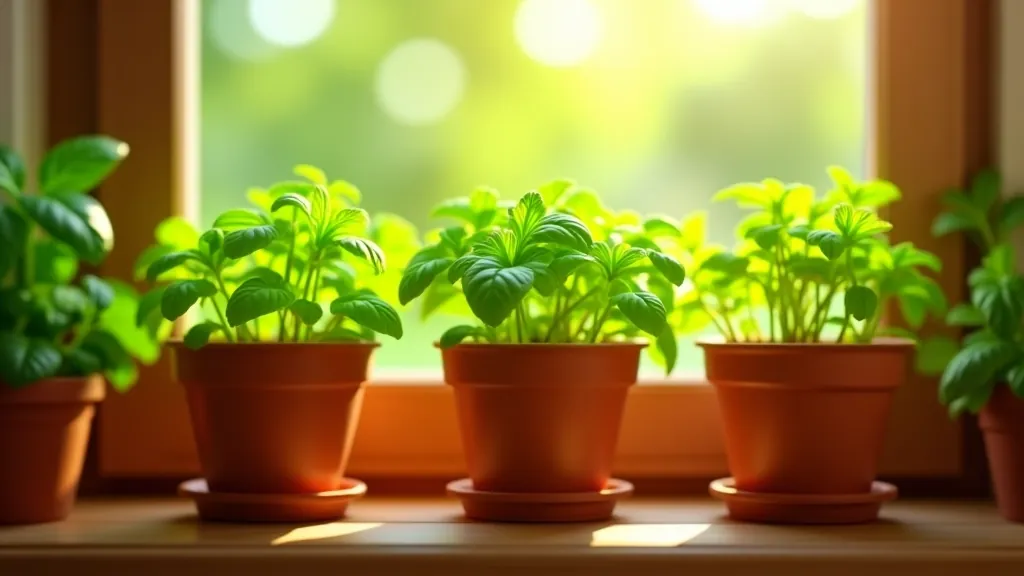
6-8 inch pots work perfectly. We recommend terracotta because it breathes and prevents overwatering. Make sure each has drainage holes.
Use quality potting soil—not garden soil. It's lighter, drains better, and won't compact. A bag lasts for several pots.
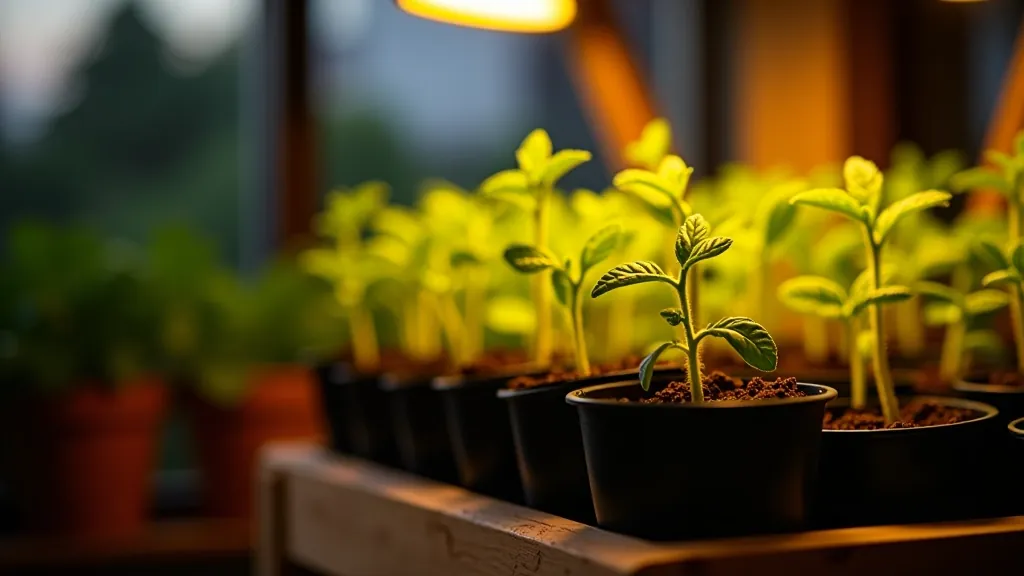
Both herbs need 6-8 hours of direct sunlight daily. A south-facing balcony in Vilnius is ideal. East or west-facing works too.
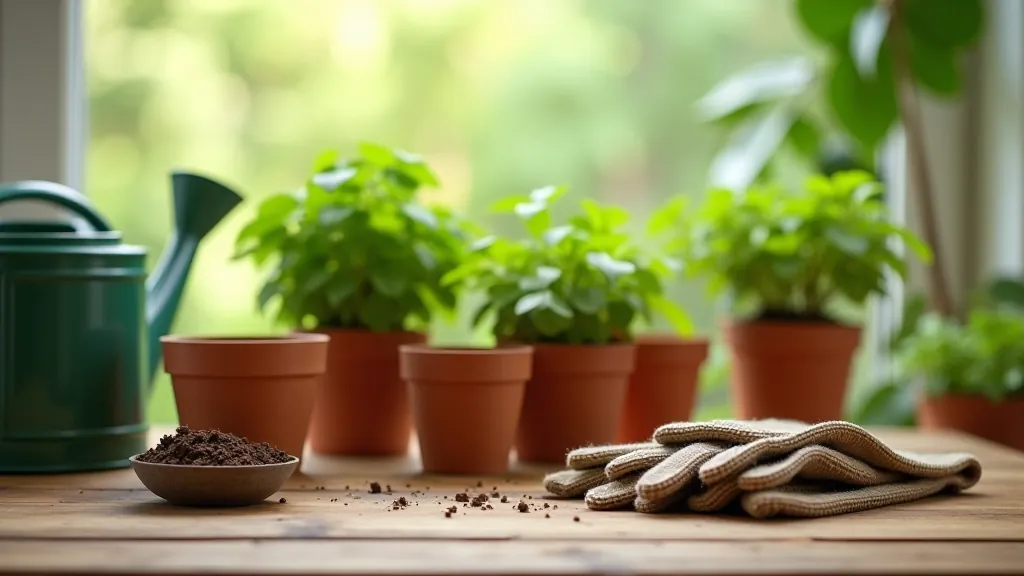
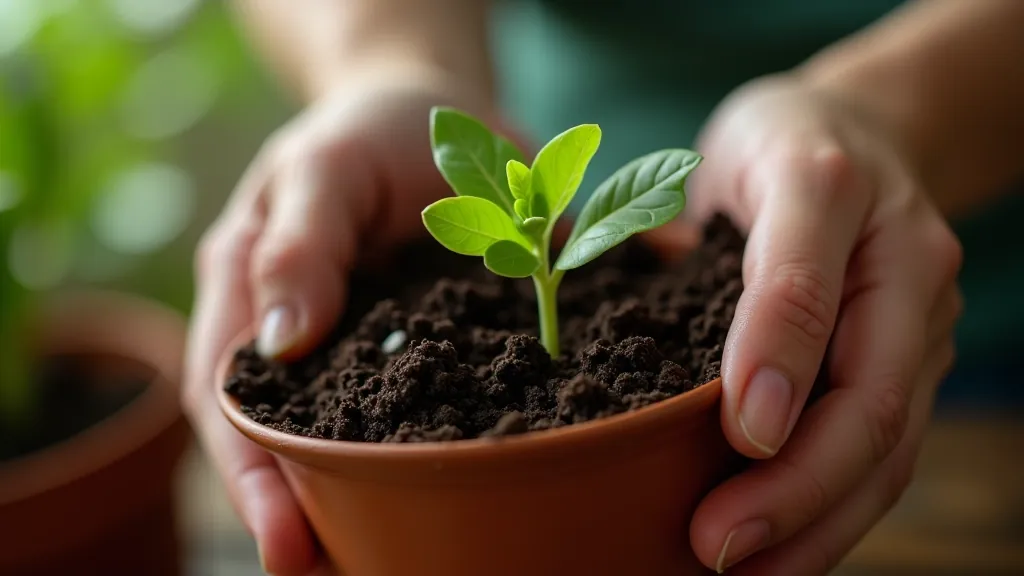
Add potting mix until it's about 2 inches from the rim. Don't pack it down—keep it light and airy.
You've got two options. Seeds take 7-10 days to germinate and 4-5 weeks to harvest-ready size. Seedlings from the nursery are ready in 2-3 weeks.
Water until it drains from the bottom. Then wait until the top inch of soil feels dry before watering again. Most people overwater herbs.
This is where most people go wrong. Your herbs don't want to sit in soggy soil. Instead, let the top inch dry out between waterings. In summer, that's usually every 2-3 days. In cooler months, maybe once a week.
Stick your finger into the soil about an inch deep. If it feels dry, water. If it's still moist, wait another day. Sounds simple, but it's the difference between thriving plants and dead ones.
Both basil and parsley love humidity. If your balcony gets very hot and dry, mist the leaves occasionally—not the soil. Rotate your pots every week so all sides get equal light. And pinch off flower buds on basil. It'll flower anyway, but pinching encourages bushier growth with more leaves to harvest.
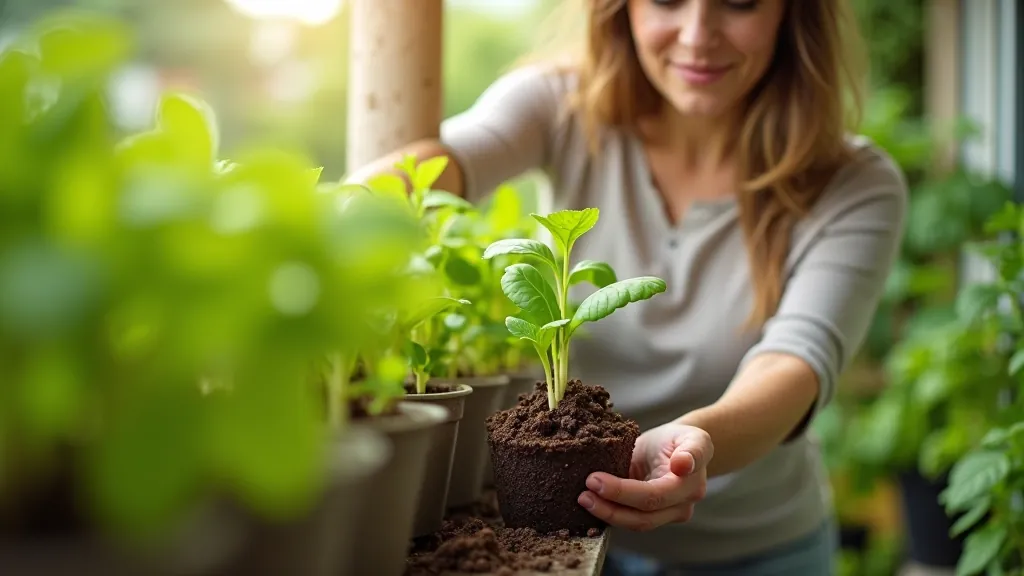

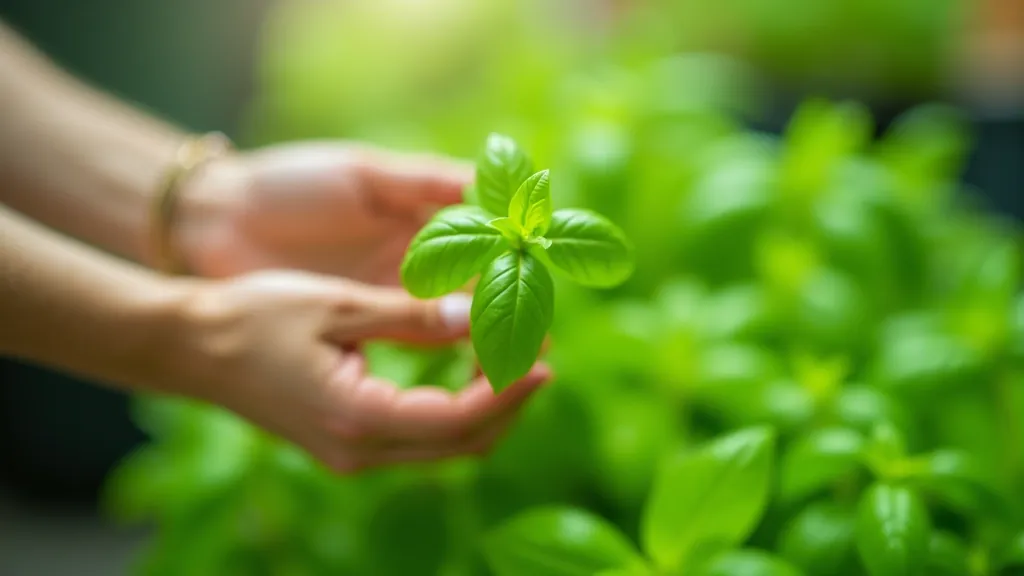
Here's the magic part—the more you harvest, the more they grow. Don't wait until plants are huge. Start pinching leaves when they're about 6 inches tall. Pinch off the top two leaves and a small section of stem.
With basil, this encourages bushier growth. You'll get multiple stems branching from where you pinched. Same principle with parsley. If you leave them alone, they'll grow tall and leggy. If you harvest regularly, they'll stay full and productive.
Leaves are juiciest and most flavorful right after the sun hits them. You'll also get better flavor this way.
If any leaves yellow or look unhealthy, remove them. This prevents disease and keeps the plant energized.
You've got everything you need to grow basil and parsley indoors. Honestly, these are two of the easiest herbs to start with. They're forgiving, they're fast, and they'll reward you with fresh leaves for months.
The key is consistency—good light, proper watering, and regular harvesting. That's it. Within a month, you'll be pinching fresh basil for pasta and snipping parsley for every meal. And you'll wonder why you didn't start this sooner.
Don't overthink it. Get your pots, soil, and seeds. Put them on your sunniest balcony spot. Water when the soil is dry. Harvest when they're ready. That's the entire system, and it works.
This article provides general gardening information for educational purposes. Growing conditions vary based on your specific balcony location, building structure, and local climate patterns. Individual results depend on many factors including light availability, humidity, and care consistency. If you're in Vilnius with specific climate concerns, consult with a local horticultural expert or garden center for personalized guidance. Always follow local environmental guidelines when disposing of plant materials.