
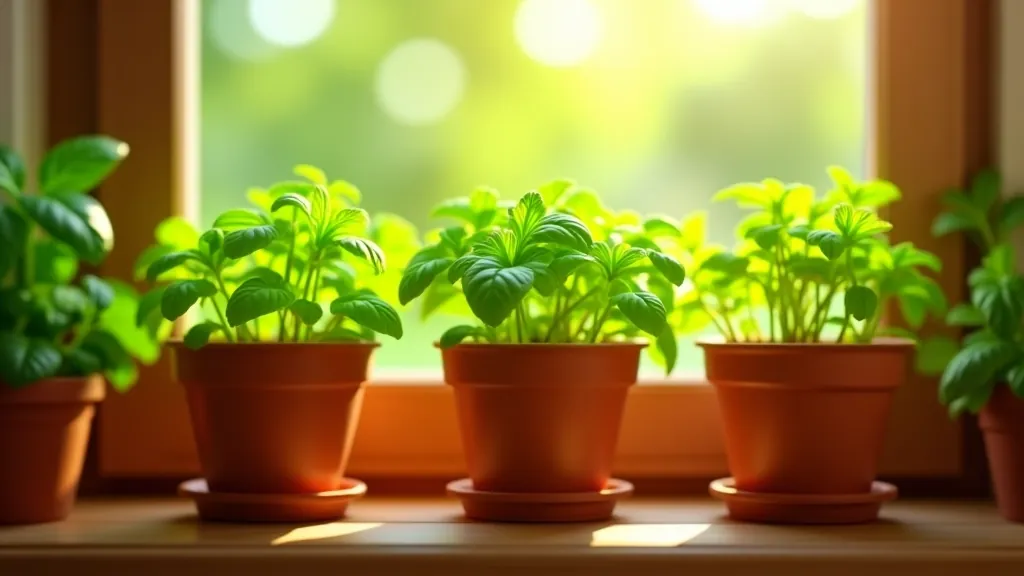
Growing Basil and Parsley Indoors
Simple method for growing two most popular herbs year-round on your balcony. We cover soil, spacing, harvesting techniques, and how to prevent bolting.
Read MoreNot just herbs—grow tomatoes, peppers, and lettuce too. Discover container sizes, soil requirements, and the best varieties for Vilnius's growing season.
You don't need a garden to grow fresh vegetables. A sunny balcony is all you need to start producing real food—tomatoes that actually taste like tomatoes, peppers with real flavor, and crisp lettuce that beats anything from the store.
Balcony gardening isn't complicated. It's simpler than you'd think. We've been helping Vilnius residents grow vegetables in small spaces for years, and we've learned what works and what doesn't. The short Baltic growing season? We've figured it out. Container constraints? No problem.
This guide covers everything you'll need—from choosing the right containers and soil to selecting varieties that'll actually mature before September frost hits.
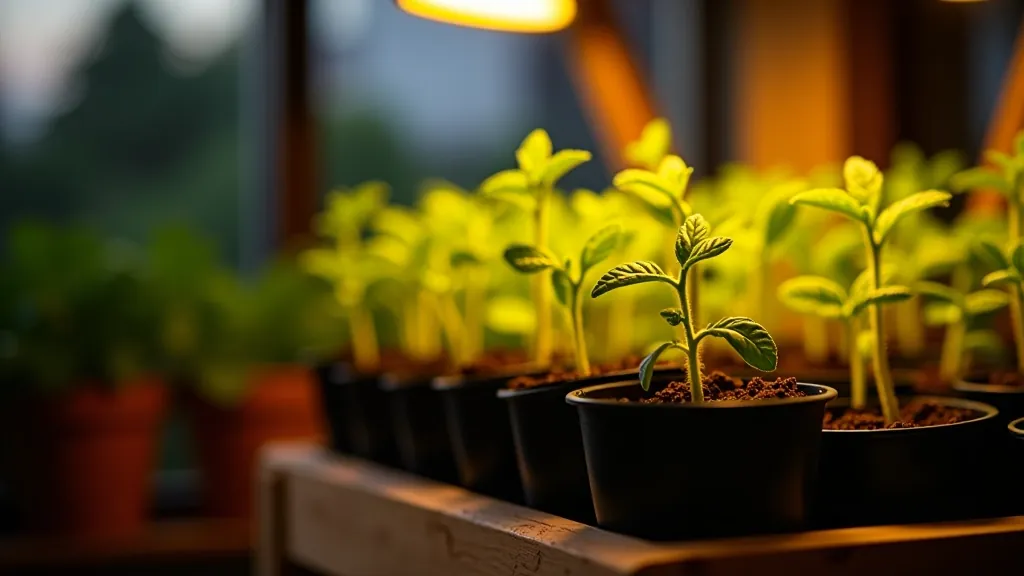
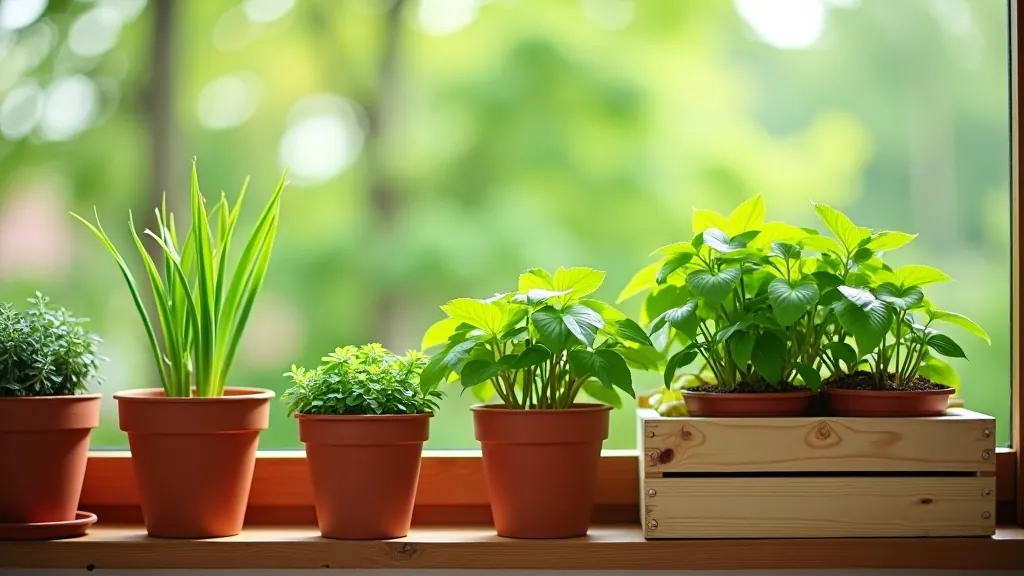
Undersized containers are the biggest reason balcony vegetable projects fail. You can't grow a real tomato plant in a tiny pot. It won't work, and you'll waste time and frustration.
Here's what actually works:
Drainage holes are non-negotiable. If your container doesn't have them, drill some. Waterlogged roots kill plants faster than anything else.
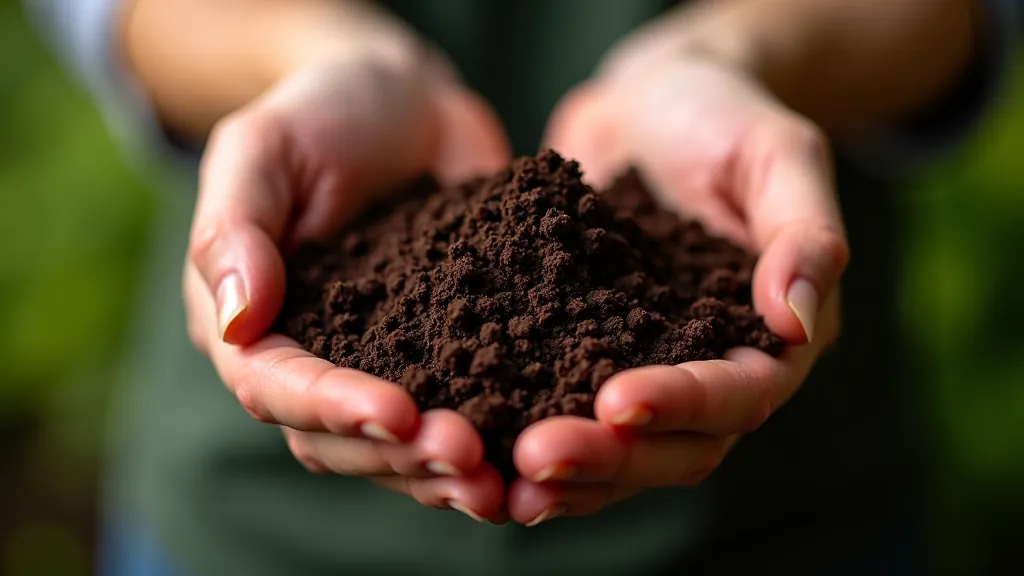
Garden soil doesn't work in containers. It compacts, drains poorly, and'll cause problems. You need a proper potting mix—something light and airy that holds moisture without waterlogging.
We recommend mixing your own instead of buying expensive bagged mixes. It's cheaper and you control the quality. Use equal parts:
This mix drains well but retains enough moisture. Add slow-release fertilizer pellets when you fill your containers—tomatoes and peppers are heavy feeders and they'll need nutrients through the season.
You've got roughly 120-140 frost-free days in Vilnius. That's your window. Choose varieties that mature in 60-80 days, not the 100+ day types bred for longer growing seasons.
Siberia, Early Pearl, or Sungold. They'll start producing by late July. You'll get fruit from August through September. Indeterminate types (they keep growing) work better on balconies than determinate ones.
Go for small-fruited varieties like Shishito, Apache, or Filius Blue. Big bell peppers need too long. Start from transplants in May, not seeds—you'll get a better harvest before frost.
Looseleaf varieties like Oak Leaf or Buttercrunch. You can plant every 3 weeks from May through August. Harvest outer leaves as you need them instead of waiting for whole heads.
Bush varieties mature in 50-60 days. Plant in early June and you'll harvest by August. They're more reliable than pole beans in our climate and need less fussing.
Ready in 25-30 days. Plant them with slower crops (tomatoes) to fill space early. You'll harvest before the tomatoes even start flowering.
Basil and parsley grow quickly and give you fresh herbs all summer. They're essentially free vegetables if you're growing them anyway.
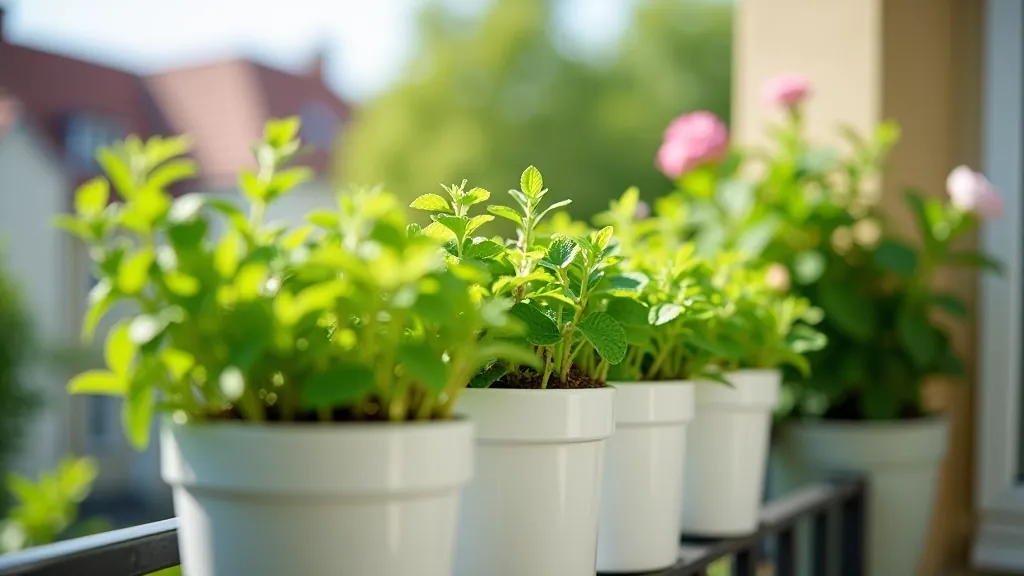
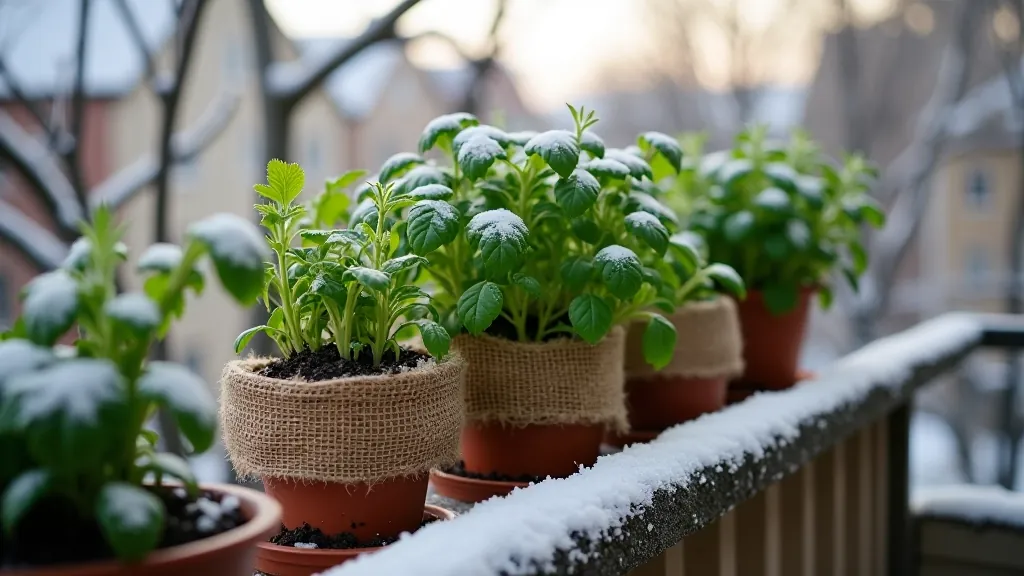
Overwatering kills more balcony vegetables than any pest or disease. Containers dry out faster than garden beds, but that doesn't mean you water constantly. The soil should feel moist 2-3 centimeters down, not soaking wet.
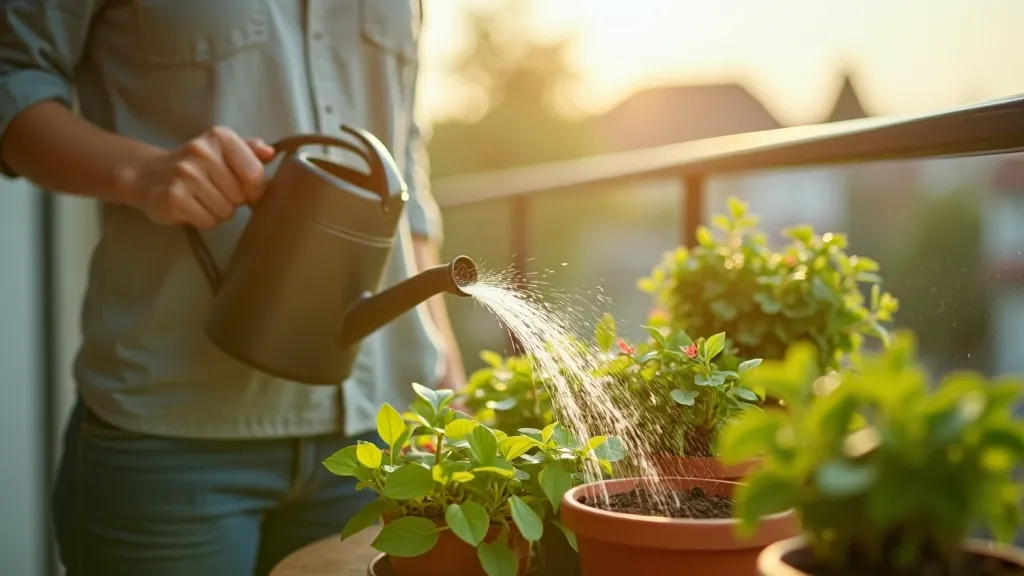
Check your containers every morning in summer. Water thoroughly when the top inch of soil feels dry. Early morning is best—less evaporation, and foliage dries quickly reducing disease risk. Don't water leaves, just the soil.
During hot spells in July and August, you might need to water twice daily. That's normal. Just make sure water actually drains out the bottom. If it sits there, you've got a drainage problem.
Pro tip: Mulch the surface of your containers with 2-3 centimeters of bark or straw. It keeps soil cooler, reduces evaporation, and you'll water less often.
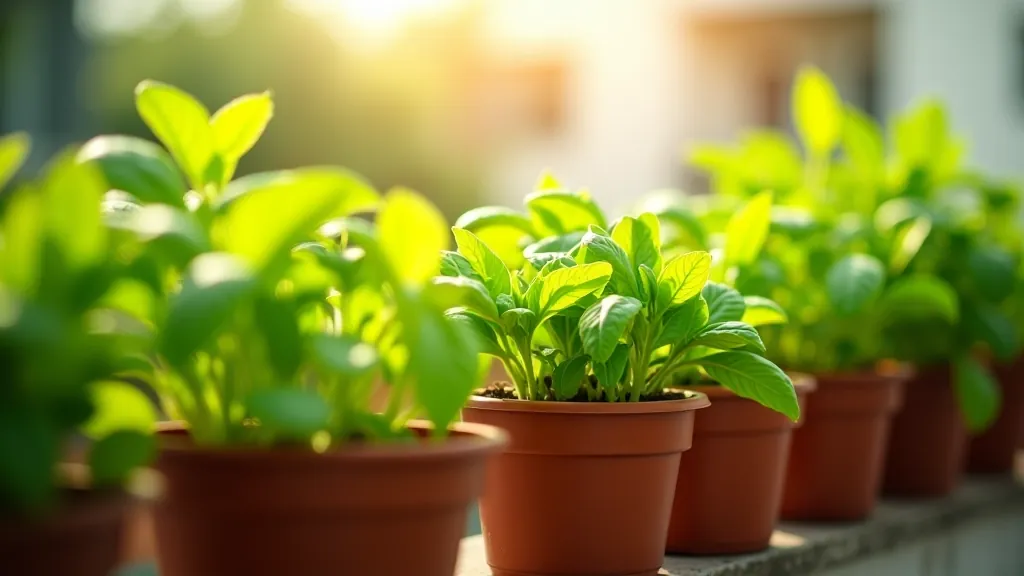
Vegetables need real sun. Not dappled light through trees or afternoon shade—minimum 6-8 hours of direct sunlight daily. Tomatoes and peppers need 8 hours or more to set fruit properly.
South-facing balconies are ideal. East or west-facing works, but less reliably. North-facing? Forget vegetables. You'll just be frustrated. Grow herbs there instead.
If your balcony gets afternoon shade after 4 PM, that's still workable. Most of the growing season's sun happens before that anyway. But if you only get 3-4 hours of direct sun, vegetables won't perform well.
Check your balcony's sun exposure in May before you buy seedlings. Watch how the shadows move. It takes 10 minutes and saves you months of disappointment.
This is actually one advantage of balcony gardening. You're up 4 or 5 stories. Most serious garden pests don't reach you. Aphids can show up, and whiteflies occasionally appear, but it's rare.
If you do spot pests:
Fungal diseases are more common than pests. Good air circulation and not wetting foliage prevent 95% of problems. Balconies naturally have better air movement than gardens, so you're already ahead.

You don't need perfect conditions. You don't need years of experience. You need a sunny balcony, proper containers with drainage, good soil, the right plant varieties, and regular watering. That's it.
Start with one tomato plant and one pepper plant this year. See how it goes. By next year you'll know exactly what works on your specific balcony, and you'll grow twice as much.
Vilnius summers are short, but they're real. Use them to grow something you actually eat. There's nothing quite like picking a ripe tomato from your own balcony in August.
This article is for educational and informational purposes. Growing conditions vary based on individual balcony exposure, building orientation, and specific microclimates in Vilnius. Results may differ based on your unique circumstances, soil quality, plant varieties selected, and seasonal variations. We recommend observing your specific growing conditions and adjusting techniques accordingly. Consult local gardening experts for region-specific advice tailored to your property.