

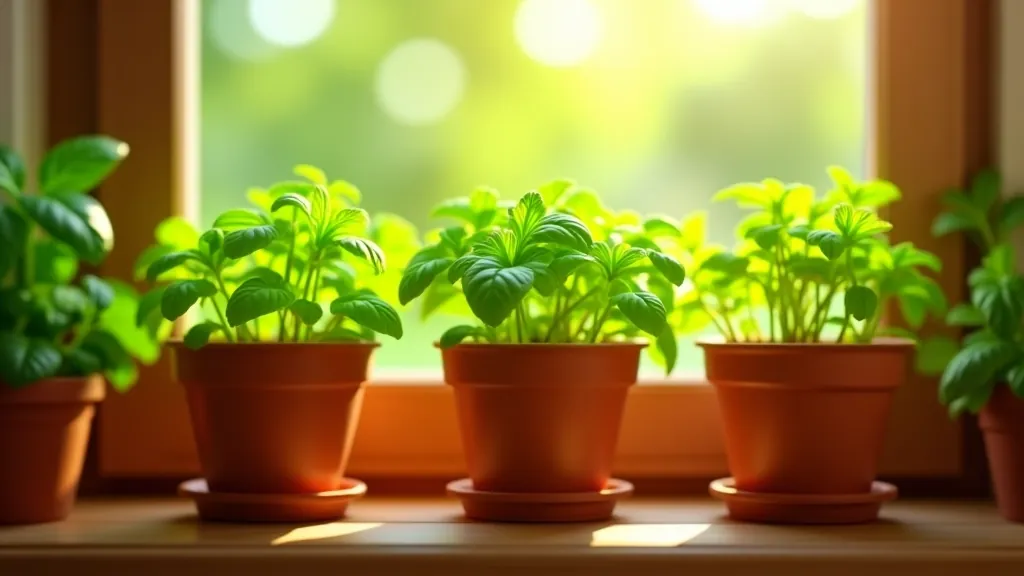
Growing Basil and Parsley Indoors
Simple method for growing two most popular herbs year-round on your balcony. We'll show you how to keep them producing fresh leaves all season.
Hardy herbs that thrive in Vilnius weather. Includes specific planting dates for spring, frost protection strategies for autumn, and how to prune for continuous growth.
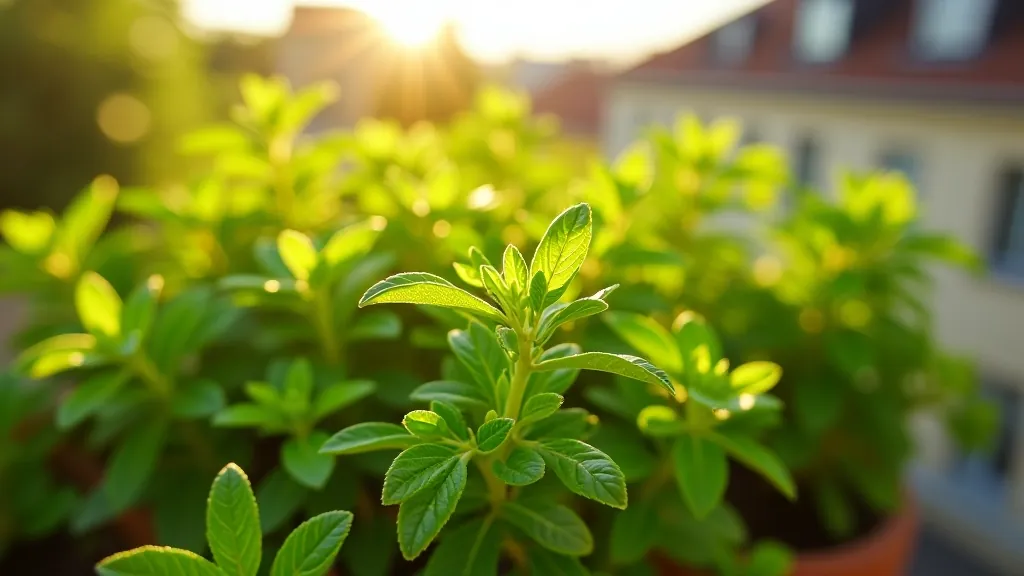
Growing herbs on a Vilnius balcony doesn't have to be a guessing game. Mint and oregano are two of the toughest herbs you can plant — they actually prefer cooler climates and won't die back in our unpredictable springs. We're talking about plants that'll come back year after year if you give them decent drainage and sunlight.
The thing is, these herbs aren't fussy about soil quality or constant watering. They'll thrive in basic potting mix and tolerate our coastal winds without complaint. Most gardeners in Vilnius find they're getting fresh mint for mojitos and oregano for their cooking by late June — sometimes earlier if you start indoors in March.
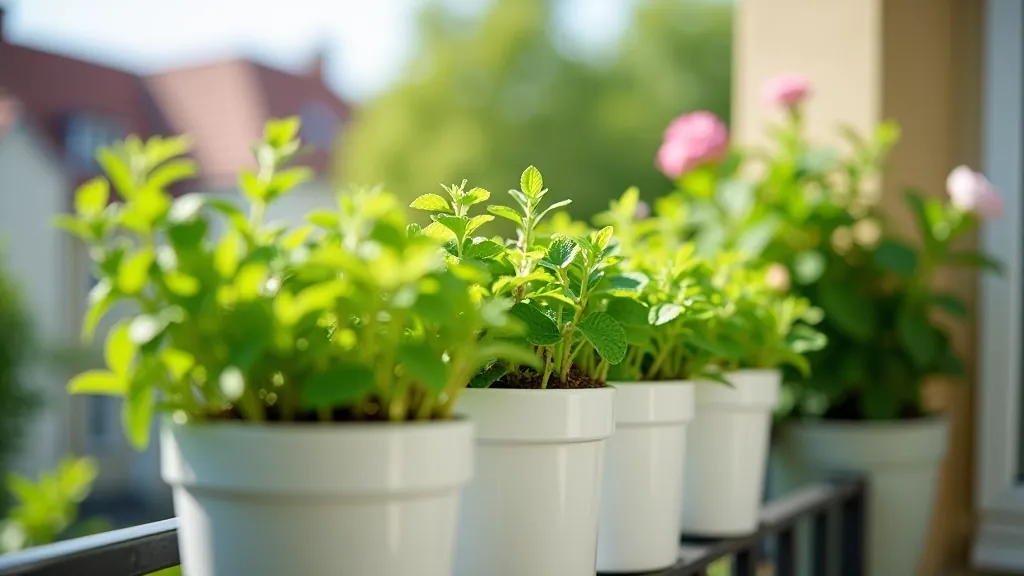
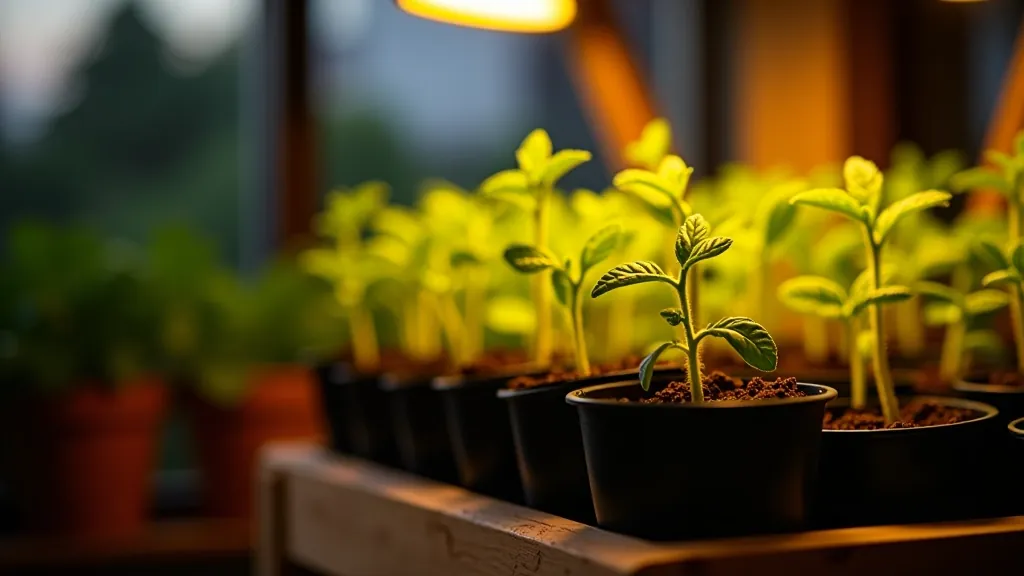
Start your mint and oregano seeds indoors around mid-March if you're in Vilnius. That gives you 8-10 weeks before the last frost date in mid-May. But honestly, if you'd rather skip the seed-starting stage, buying seedlings from a local nursery in April is totally fine — you'll be harvesting just as quickly.
March 10-20: Start seeds indoors on a sunny windowsill
April 15: Harden off seedlings outside for 1-2 weeks
May 20: Move containers to final balcony location
June onwards: Begin harvesting leaves regularly
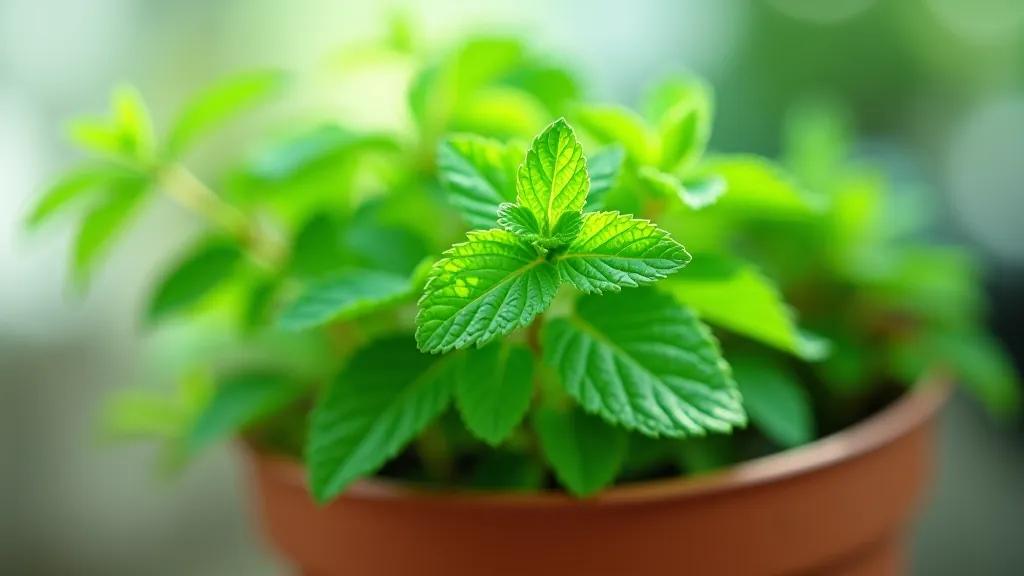
You don't need huge pots for either herb. A 6-8 inch pot works fine for mint, and oregano is even happier in something smaller — 5-6 inches is perfect. The key is drainage. Mint especially hates waterlogged roots, so use a pot with a drainage hole and add a layer of pebbles or broken pottery at the bottom.
Fill your pots with basic potting soil mixed with a bit of perlite if you have it — about 20% perlite to 80% soil. This keeps things from compacting over the season. Don't use garden soil directly from the ground; it'll get rock-hard in a pot. Trust me, your plants will tell you they're happy with better drainage because they'll grow faster and smell stronger.
Pro tip: Oregano prefers slightly drier conditions than mint. If you're planting both on the same balcony, put oregano in the sunniest, windiest spot where it dries out faster.
Both mint and oregano want plenty of sunlight — aim for 6-8 hours daily, ideally in the morning. A south or west-facing balcony works great. They'll tolerate partial shade, but you'll get smaller plants and fewer leaves.
Water when the top inch of soil feels dry. In summer that's probably every 2-3 days, but in spring and fall, once or twice a week is usually enough. Don't water on a schedule — just stick your finger in the pot and check. Mint can handle a bit of moisture, but oregano definitely doesn't like soggy soil.
Summer: every 2-3 days | Spring/Fall: once or twice weekly | Winter: minimal, only when soil is completely dry
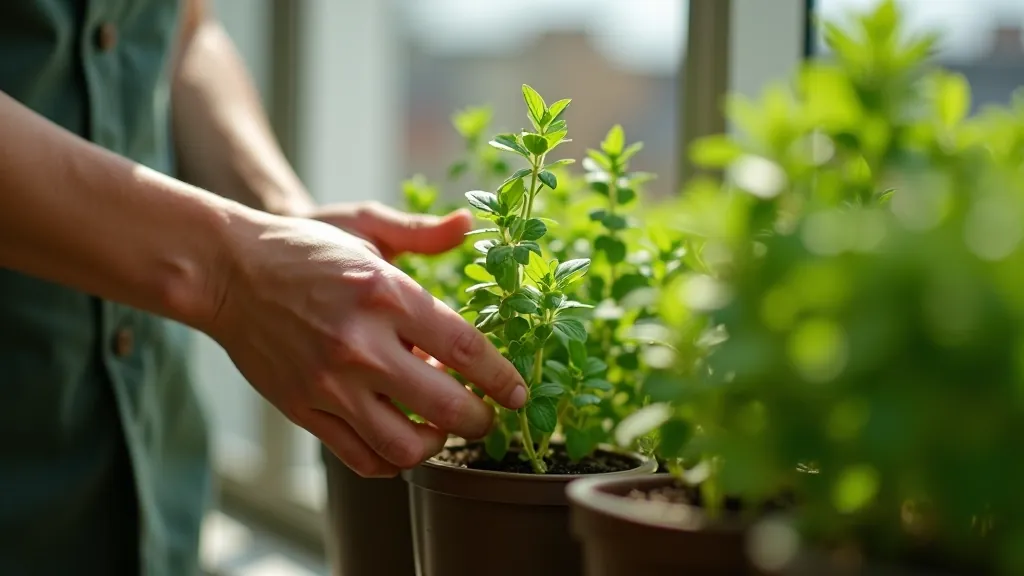
Here's where it gets fun. Start pinching mint leaves once the plant has 6-8 true leaves. Pinch from the top to encourage bushier growth — don't wait until it's huge. You're essentially training it to grow sideways instead of just straight up. And yes, you can eat those leaves right away. Fresh mint tea is one of the best parts of growing this stuff.
Oregano's similar but a bit less aggressive. Wait until it's a bit more established — usually 4-6 weeks after transplanting — before you start harvesting. After that, pinch the top inch or so regularly. Don't be shy about it. The more you harvest, the bushier the plant gets. If you let it go to flower (it'll produce small pink or white flowers), that's fine — the leaves are still good, but the plant'll slow down its growth.
One important thing: both plants can get leggy if they're in low light. If you notice your mint stretching out with big spaces between leaves, move it to a sunnier spot or consider cutting it back by about one-third to encourage new bushy growth.
Keep harvesting regularly. This is when the plants are strongest. Don't cut them back too heavily though — they need some foliage to overwinter.
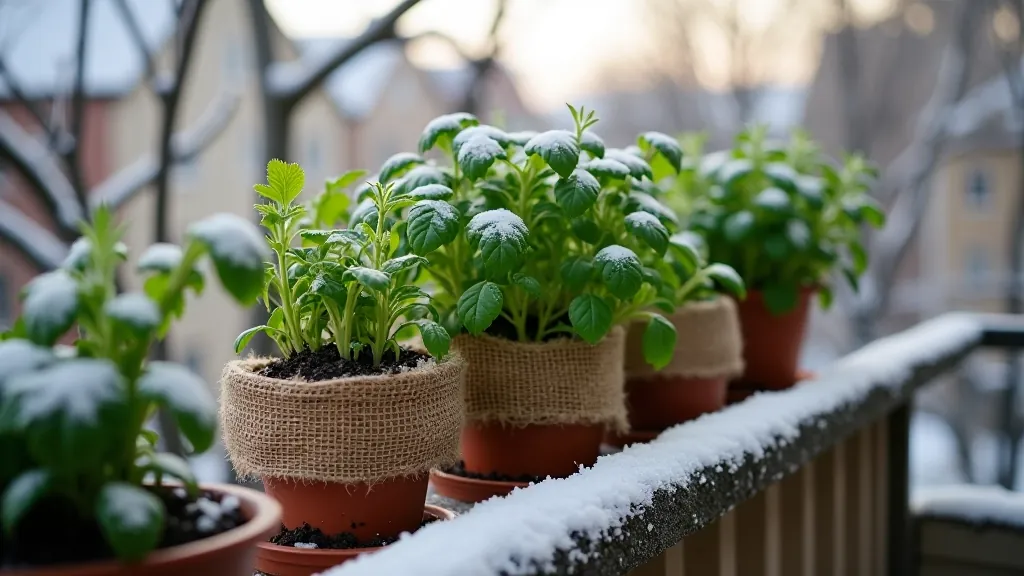
As temperatures drop below 10°C, move containers closer to your building for wind protection. Mint can handle some cold, but oregano gets nervous below freezing.
Stop harvesting. Let the plants go dormant. Oregano is more likely to survive the winter outdoors on your balcony — mint usually doesn't. Move mint pots into a cool garage or basement if possible.
Mint and oregano aren't delicate plants. They're actually tougher than a lot of gardeners expect, especially in Baltic climates. You won't need special equipment, fancy fertilizers, or constant monitoring. What you'll get is fresh herbs for cooking, mint for tea, and the satisfaction of watching something you planted actually thrive on your balcony.
Start in March if you want to grow from seed, or grab seedlings in April. Give them sun, decent soil, and water when they're dry. Harvest regularly starting in June. That's it. By late summer, you'll wonder why you ever bought herbs from the store.
Ready to start your herb garden? Check out our other balcony gardening guides to expand beyond mint and oregano.
Explore More GuidesThis article is provided for informational and educational purposes. Growing conditions, climate variables, and individual plant responses can vary significantly. The planting dates, watering schedules, and frost protection strategies described are based on typical Vilnius weather patterns but should be adjusted based on your specific balcony location, microclimate, and current weather conditions. If you have concerns about your plants' health or notice unusual symptoms, consult with a local gardening expert or horticultural specialist. We're not responsible for any plant damage or loss that may occur from following these guidelines.